藝術投資是個“藝術活兒”
Art investment is an "art work"
現(xiàn)在的很多藝術品看似“有財富之名��,無資本之實”�����,其原因在于藝術品是無法準確估值的�,要視市場情況而定。所以讓市場持續(xù)穩(wěn)定的發(fā)展�����,就要過濾掉不合理的投機機會,避免忽上忽下的波動行情�。
Many artworks today seem to be "famous for wealth, but not real capital", because artworks cannot be accurately valued, depending on market conditions. Therefore, in order to keep the market developing steadily, it is necessary to filter out unreasonable speculation opportunities and avoid fluctuating prices.
國內藝術品市場還處于金融化程度低、但創(chuàng)新意識超前的狀態(tài)之中����,仍以拍賣為����、藝術產品匱乏、投資者不成熟�����、金融支持較單薄�。從2010年藝術品拍賣邁入“億元時代”,與拍賣行的火爆鮮明對比的是藝術品市場其他金融手段的凋敝���。對利潤的追求和監(jiān)管的松懈讓這個領域充滿了野蠻生長的氣息�����。在市場還未普遍成長起來時�,貪多求快的“創(chuàng)新”往往過猶不及:近來“文交所”的高頻率出現(xiàn)正是因為“創(chuàng)新”過度而受到市場的質疑。
The domestic art market is still in a state of low degree of financialization but advanced innovation awareness. It is still auction oriented, lacking in art products, immature investors, and weak financial support. China's art auction has entered the era of "100 million yuan" since 2010, which is in sharp contrast to the popularity of auction houses. The pursuit of profits and lax supervision make this field full of the atmosphere of barbaric growth. When the market has not generally grown up, the "innovation" that is greedy for more and faster is often too much. Recently, the high frequency of the "Culture Exchange" is questioned by the market because of the excessive "innovation".
在這樣的金融環(huán)境下�,資本運作的機會和風險并存。各家銀行在金融產品的制定和論壇推廣��、藝術家培養(yǎng)等方面都有了切實的行動�����;但在監(jiān)管部門那里����,這個市場還沒有受到足夠的重視和制度推動。未來�����,拍賣公司的上市不失為藝術品領域資本運作的一個標桿���。而要實現(xiàn)藝術投資市場的理性發(fā)展���,依然有跡可循。
In such a financial environment, opportunities and risks of capital operation coexist. All banks have taken practical actions in the formulation of financial products, promotion of forums, and cultivation of artists; However, the market has not received enough attention and institutional impetus from the regulatory authorities. In the future, the listing of auction companies can be regarded as a benchmark for capital operation in the art field. However, there are still traces to follow to realize the rational development of China's art investment market.
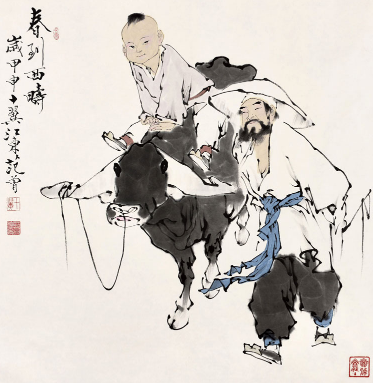
從投資者角度來看��,要抱定把自己培養(yǎng)成鑒賞家���、收藏家的目標���,明確收藏目的不是投機而是出于愛好��。想要做收藏����,就要收藏喜歡的�、有價值的藝術珍品�����。目前國內現(xiàn)有的幾類藝術品投資途徑有:直接參與藝術品拍賣��、投資藝術基金的間接方式���,如果是一個剛剛入市的初學者����,通過銀行理財或藝術基金的方式逐步介入�,可以逐漸了解藝術品市場的一些投資特性和風險程度。
From the perspective of investors, we should aim to cultivate ourselves as connoisseurs and collectors, and make it clear that the purpose of collection is not speculation but hobby. If you want to collect, you should collect your favorite and valuable art treasures. At present, there are several types of art investment channels in China: direct participation in art auction and indirect investment in art funds. If a beginner just enters the market, he can gradually get to know some investment characteristics and risk levels of the art market through bank financing or art funds.
從市場參與者來講���,作為主方的拍賣會等機構應當對整體市場有一個正確的引導�,要拍真品,拒絕贗品���,而不是只顧貪圖牟利攪渾了市場����。所應該提供投資增值渠道��,而不是投機渠道�����。此外��,機構投資者的壯大和基金信托等產品種類的豐富也有待努力�。
From the perspective of market participants, the auction house and other institutions as the main party should have a correct guidance for the overall market. They should auction authentic products and reject fakes, rather than just muddle the market for profit. Exchanges should provide channels for investment appreciation rather than speculation. In addition, the expansion of institutional investors and the enrichment of fund trust and other product categories also need efforts.
監(jiān)管層應該加將強自身在對藝術品投資風險和投資教育方面的職責,實施合理的監(jiān)管和制度規(guī)范�,這對重新建立藝術品市場的健康秩序和未來長久發(fā)展十分必要。
The regulators should strengthen their own responsibilities in terms of investment risks and investment education of art, and implement reasonable supervision and institutional norms, which is very necessary to re-establish a healthy order of the art market and long-term development in the future.
藝術品金融化應該是循序漸進的��,市場各方在堅守風控底線的同時��,在風險管理上可保持多元化創(chuàng)新思維�����。但是,無論行情怎么起伏����,藝術品的價值始終脫離不了美術性、學術性和鑒賞性的評定范疇���。
The art financialization should be gradual. All parties in the market can maintain diversified and innovative thinking in risk management while sticking to the bottom line of risk control. However, no matter how the market fluctuates, the value of works of art can never be separated from the assessment category of artistry, scholarship and appreciation.


 發(fā)布時間:2022-11-17
  作者:大雅堂美術館
  文章來源:http://www.tz998.com/
  瀏覽量:0
瀏覽量:0






 首頁
首頁 產品
產品 電話
電話 置頂
置頂